
Effects of Tooth Loss
Dental implants are the most natural solution for missing teeth. By replacing the root of the tooth with an implant, you can restore your natural smile and prevent bone loss in your jaw, which will help you maintain a healthy, young appearance.
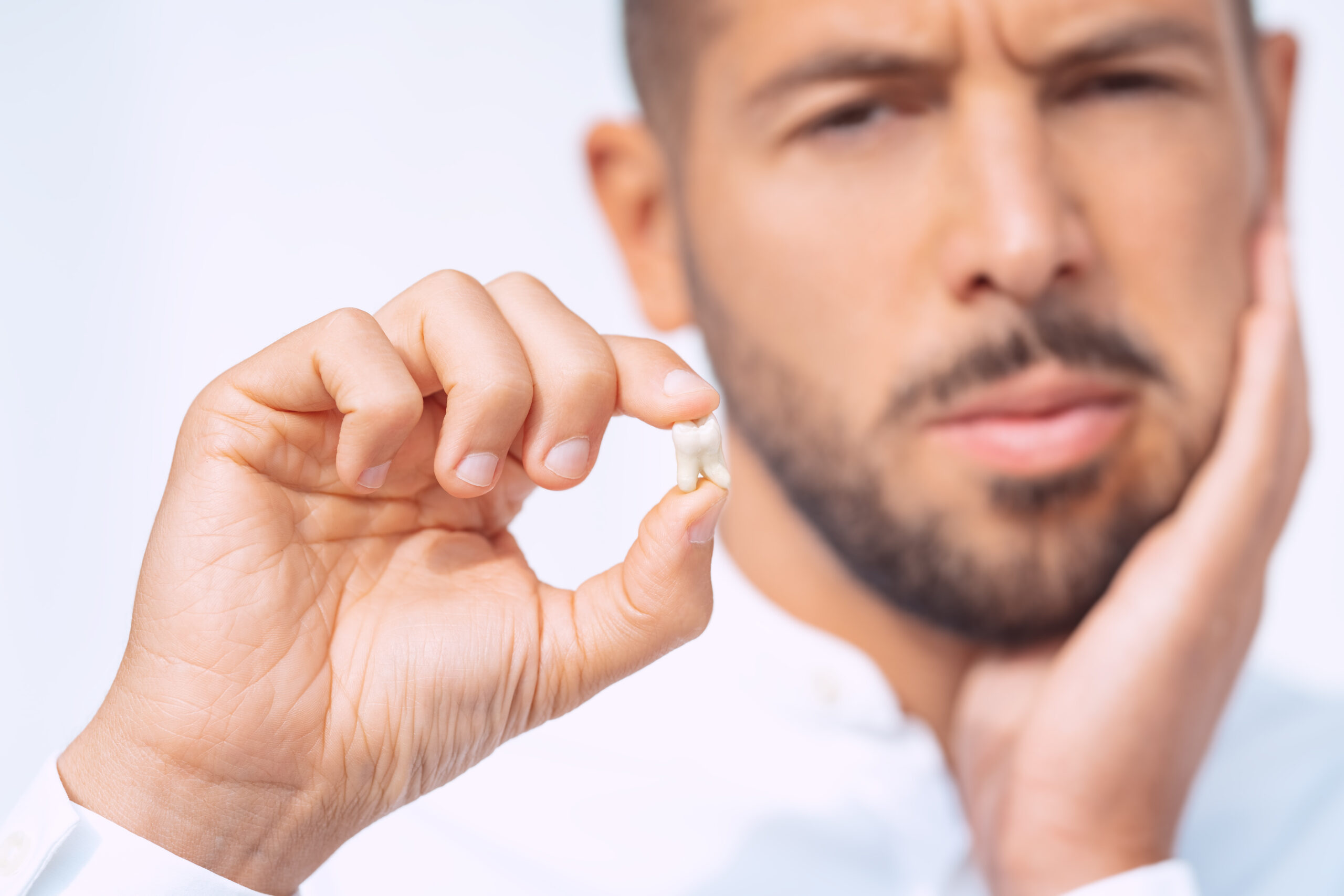
After a tooth is lost, the bone previously supporting the tooth will start to dissolve without the stimulation that the tooth root (or implant) delivers. This leaves a “dip”, or a sunken in section of bone that actually spreads toward other teeth.
When bone loss occurs, it affects your overall facial appearance imparting an “old age look” with sunken in lips and/or cheeks.
The “artificial roots” of dental implants will fuse to the bone and act just like natural tooth roots in keeping the jawbone firm and strong. Your jawbone will naturally regenerate and stay strong around it, holding your new tooth in place, and retaining your youthful appearance.
Why Choose our office
At our periodontal practice, we believe in delivering far more than just dental care — we aim to provide an experience that’s comfortable, trustworthy, and results-driven.
Here’s what sets us apart:
Specialized Expertise
Our doctors are skilled in advanced gum therapy, dental implants, and full-mouth restorations — giving you access to top-tier periodontal care under one roof.
Patient Comfort & Communication
We know dental procedures can be stressful. We take the time to explain your diagnosis, walk you through all treatment options, and answer every question in clear, understandable terms.
Personalized Treatment Planning
Every smile is different. We build a care plan tailored to your unique needs, whether it’s a routine cleaning, implant placement, or a complete smile restoration.
Cutting-edge Technology & Techniques
We use modern periodontal and implant technologies to ensure precision, faster healing, and long-lasting results.
Long-term Oral Health Commitment
Our focus isn’t just on immediate results — we aim to preserve and enhance your gum and bone health for years to come.
Ask the Doctor
Implants are natural looking replacements for missing teeth. The implant itself is a post that attaches to your jawbone. This post provides an anchor for your general dentist to place crowns, bridges or other restorations.
Dental implants begin with an evaluation by your general dentist who will decide if you are a good candidate for this procedure.
For more detailed information, please see the section entitled “Dental Implants.”
Dental implants function much better than removable teeth, (e.g. partials or dentures). Patients often comment that dental implants are so natural in appearance and function that it is like having their natural teeth back. Today’s advancements make implants function within 90% of the efficiency of natural teeth in terms of both bite and feel.
The cost of implants varies from patient to patient, depending on the complexity of each case. As a general rule, however, the investment is comparable to that of fixed bridgework.
The discomfort involved with receiving a dental implant is similar to that of having a cavity filled. It is often done under local anesthesia and patients generally experience little discomfort after the procedure.
Dental implants become fixed to the jawbone. Though the life span of a dental implant will vary with each patient, many have lasted for over 30 years. With good oral hygiene and regular cleanings, dental implants should last a lifetime. In contrast, the average life span of a traditional fixed bridge is between 10-15 years.
A critical question in determining whether an implant can be placed is, “Is there enough bone to support the implant?” Fortunately, advanced bone regeneration techniques now make it possible to place many more implants than just 10 years ago.
Dental implant treatment begins with an evaluation by your general dentist who will determine if you are a good candidate for this procedure. If he feels dental implants might be possible, he will send you to a periodontist for a placement evaluation.
As soon as the final restoration has been placed, you can resume normal eating again. A strict soft diet is necessary between placing the implant and placing the final restoration since stress prior to the final cementing of the restorative tooth could cause the implant to be weakened and fail.